The fascinating story of BlackMagic Design

Today we’ll be talking about Blackmagic Design, the company that’s changing the way Filmmakers work in pre, and post-production, and this is an article made by your one and only Cooper!

If you’re more a Podcast human being, be known that the podcast version of this article is present down here on our Spotify channel: 

Blackmagic Design was founded in 1984 in Australia by Grant Petty.

Originally, the company was focused on designing post-production hardware and software. However, things took a different turn in the early 2000s when the company started making digital film cameras.

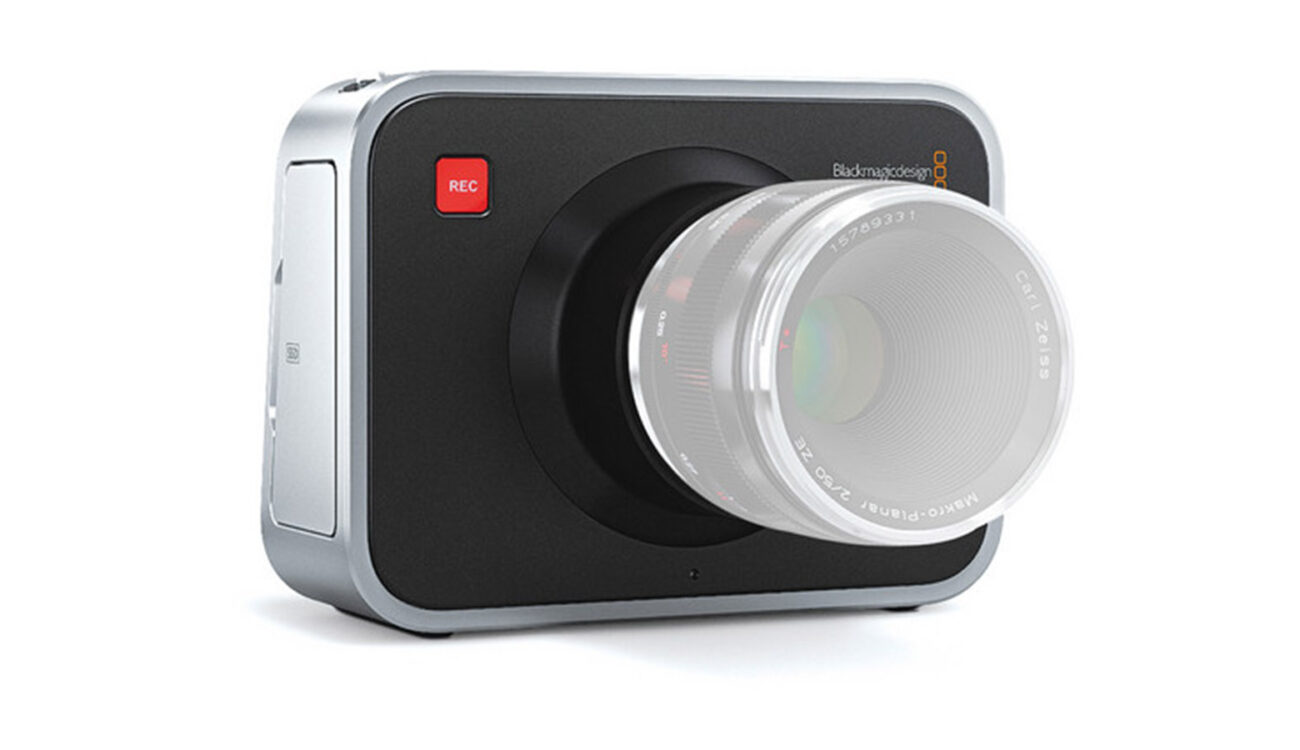
Starting with the cameras, the Blackmagic Cinema Camera was the company’s first foray into digital film cameras. It featured a 2.5K sensor, 13 stops of dynamic range, and a compact form factor. The camera was an instant hit, thanks to its affordability and high-quality image.

In 2013, Blackmagic Design released the Blackmagic Production Camera 4K. This camera was a step up from the Cinema Camera, featuring a larger Super 35mm sensor, global shutter, and the ability to shoot in 4K resolution. This camera was a game-changer for many filmmakers, offering high-end features at a fraction of the cost of traditional professional cameras.

Since then, Blackmagic Design has continued to push the boundaries of what’s possible in the world of filmmaking. Their cameras, such as the Blackmagic Pocket Cinema Camera, have become a staple for indie filmmakers and have even made their way into Hollywood productions.

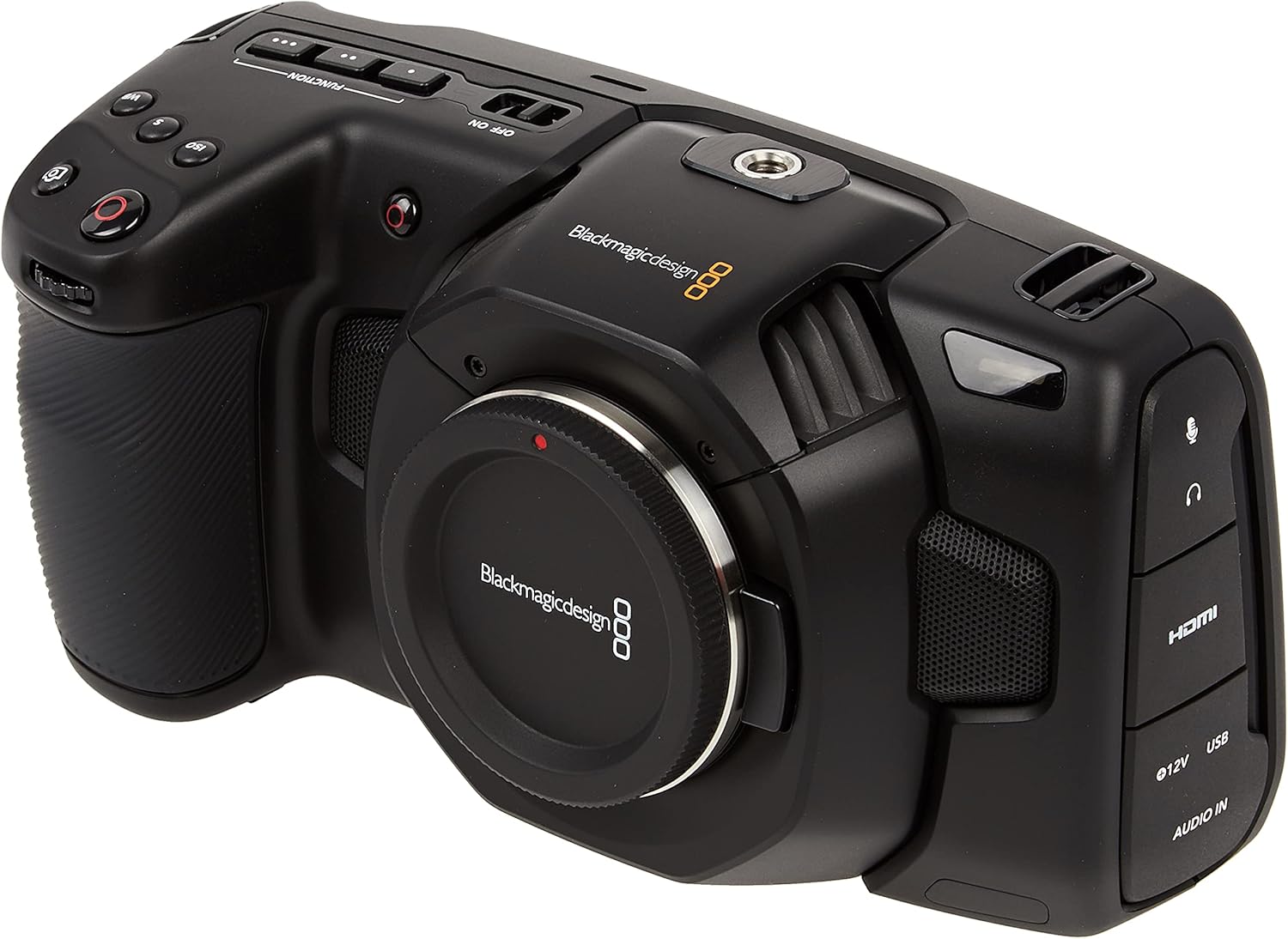
Fast forward to 2016, and Blackmagic Design released the Blackmagic Pocket Cinema Camera. As its name suggests, this camera was designed to be small and portable, making it the perfect choice for on-the-go filming. The camera featured a micro four-thirds sensor, 13 stops of dynamic range, and the ability to shoot in 4K resolution.

And finally, we have the Blackmagic Pocket Cinema Camera 6K, which was released in 2019. This camera was a major update over the original Pocket Cinema Camera, featuring a 6K sensor, larger battery, and a built-in ND filter. This camera continues to be a popular choice for filmmakers who need a compact and high-quality camera for their shoots.

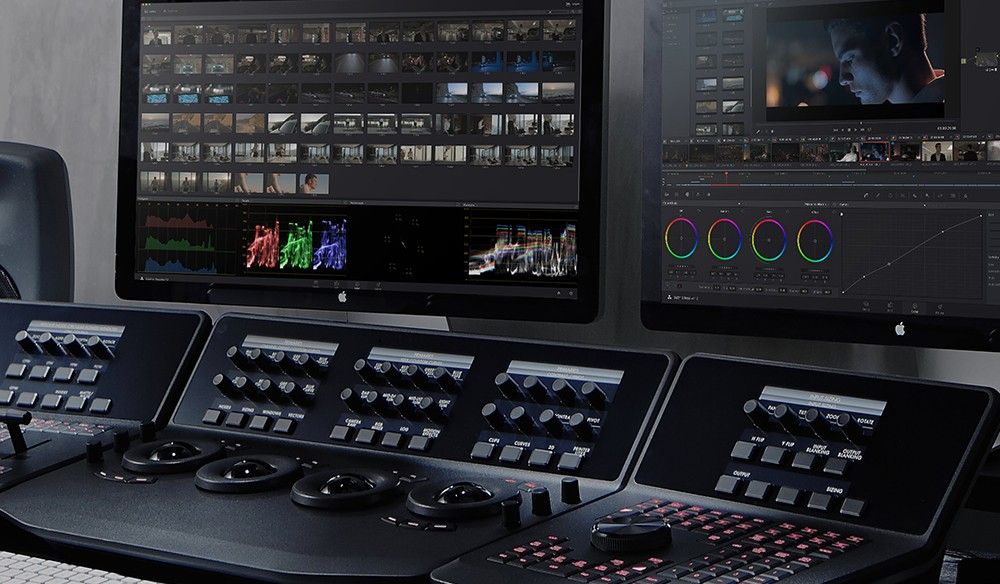
In addition to cameras, Blackmagic Design has also made a big impact with its editing software, DaVinci Resolve.

Blackmagic Design’s DaVinci Resolve has come a long way since its first release in 2009. Let’s take a closer look at some of the major updates that have been made to the software over the years.

Starting with DaVinci Resolve 12, which was released in 2015, this version brought a major overhaul to the editing capabilities of the software. It introduced a new, more intuitive editing interface, as well as a wide range of new editing tools and features. This was a major step forward for DaVinci Resolve, as it made the software more accessible to a wider range of users and opened up new possibilities for creative storytelling.

With the release of DaVinci Resolve 14 in 2017, Blackmagic Design continued to expand the capabilities of the software. This version introduced audio editing and mixing capabilities, making it possible to do all of your post-production work in one place. It also introduced the ability to collaborate on projects with multiple users, making it easier for teams to work together on complex projects.

DaVinci Resolve 15, released in 2018, brought even more exciting updates to the software. This version introduced the Fairlight audio engine, which brought professional-level audio editing and mixing tools to the software. It also added a powerful visual effects toolset, making it possible to create stunning VFX shots right inside of DaVinci Resolve.

Finally, we have DaVinci Resolve 17, which was released in 2020.

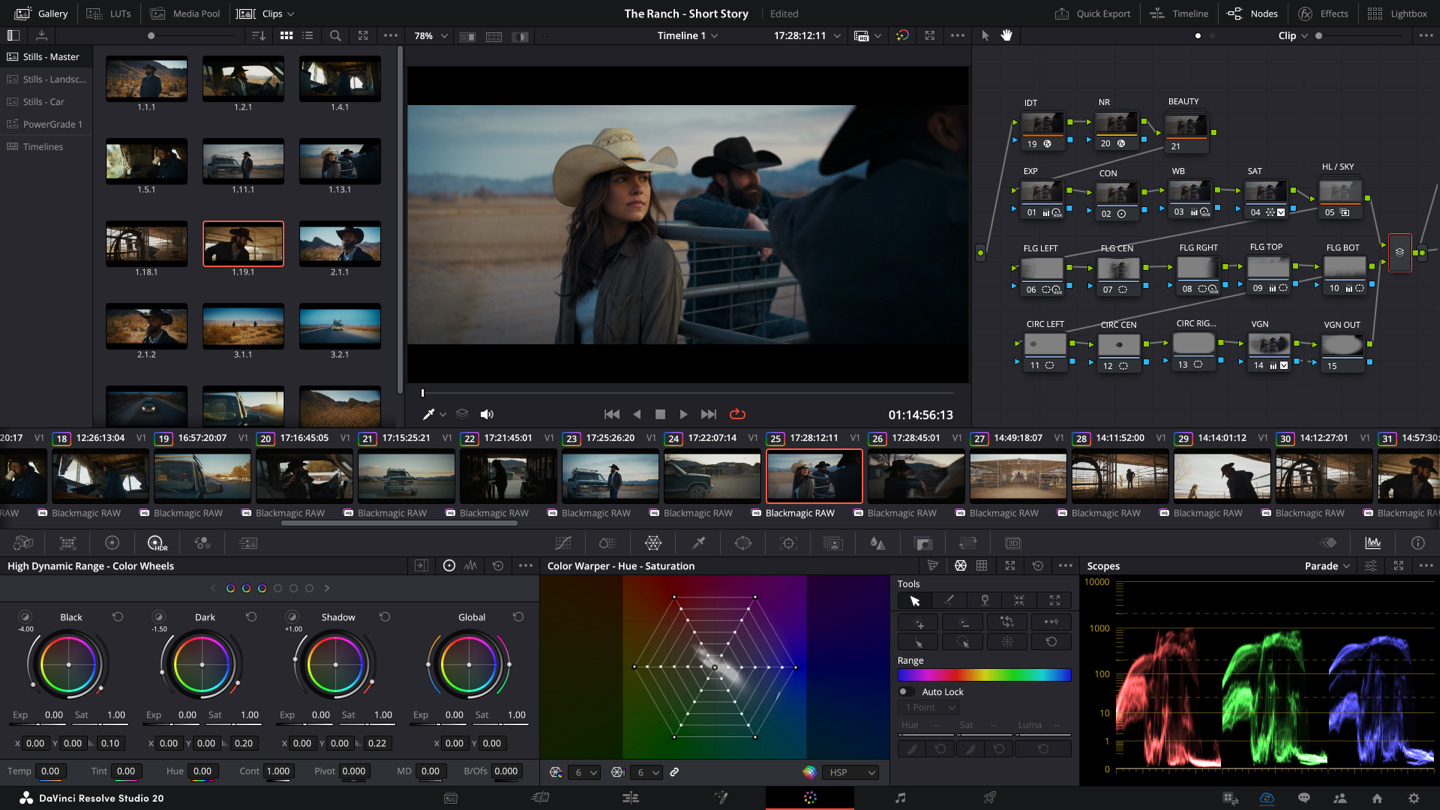
DaVinci Resolve 17, which was released in 2020. This version brought a major overhaul to the color grading tools in the software, like the HDR wheels and the Image Warper, making it easier to create cinematic color grades. It also introduced the DaVinci Neural Engine, which uses artificial intelligence to make it easier to perform tasks like object removal, stabilization shots, and more. The latest version, the 18th, pushed the boundaries by adding incredible OFXs like the Depth Map, my personal favorite one, and also the one we’re going to deeply analyze in an incoming blog article.

Thanks to its innovative products, Blackmagic Design has become a major player in the filmmaking world. The company has revolutionized the way films are made, making it possible for anyone with a vision to bring their ideas to life.

So, what’s next for Blackmagic Design? Well, it’s hard to say for sure, but I think we can expect to see even more groundbreaking products from the company in the next five years. With the continued advancements in technology, there’s no telling what Blackmagic Design will be capable of in the near future.

So there you have it, a closer look to one of our favorite companies out there, Blackmagic Design. Whether you’re a filmmaker, editor, or colorist, there’s no denying that this company has had a huge impact on the industry. And with each new release, they’re pushing the boundaries of what’s possible in filmmaking.

BTW: If you’re here without a clue about BlackMagic Design and davinci resolve, I strongly recommend you to check out Professional Colorist Masterclass available on our shop.

And that’s it for my first episode ever, thank you for being there,

and, until the next time,

Delivering the Future

Leave a Reply

Your email address will not be published. Required fields are marked *

Plasma Republic